The best way to learn how to be resilient is by practicing positive thinking and community connection. Seniors who stay socially active and mentally engaged adapt better to change. Their ability to recover from challenges improves with experience and emotional awareness.
Resilience is defined as the ability to recover from stress or adversity, whether as an individual or a community, according to research from the University of Rochester.
In Flower Mound, Texas, residents enjoy small-town calm near Lake Grapevine, where outdoor beauty and strong community ties help older adults find peace during life's changes. The tranquil suburban setting around Pinewood Hills provides the perfect backdrop for growth and connection.
The Meaning Of Resilience For Older Adults
Resilience means more than just staying strong during hard times. It means adapting to change while keeping a sense of balance. For older adults, it may involve adjusting to health shifts, grief, or lifestyle transitions.
Resilient seniors recover faster and feel more confident handling uncertainty. Their mindset shapes how they handle setbacks, from health concerns to changes in daily routines. This skill can be learned at any age.
Why Resilience Matters For Senior Mental Health
Building resilience plays a major role in senior mental health. It lowers stress levels and protects against anxiety and depression. According to the CDC, older adults who face health challenges or major life changes are at a higher risk for depression. Staying mentally strong helps protect emotional well-being.
Resilience is linked to better mood, memory, and long-term mental stability. Seniors who stay connected, active, and engaged are less likely to feel isolated or withdrawn.
How To Be Resilient Through Daily Habits
Habits shape how people handle stress. Even small daily actions can boost strength and confidence over time. Maintaining routine is one of the best ways to feel in control during change.
Stay Connected With Others
Social relationships are key to building resilience. Research from the National Institutes of Health shows that community support helps people recover faster after stress. Talking, laughing, and sharing experiences reduce loneliness and strengthen the mind.
People thrive when they feel supported by others who understand them. Joining activities, clubs, or group classes at Pinewood Hills gives residents daily chances to connect.
Focus On Mindfulness And Calm
Mindfulness for seniors teaches awareness of thoughts and emotions without judgment. Simple practices like deep breathing or meditation help calm the mind. These techniques also support physical health by lowering blood pressure and heart rate.
Mindfulness allows seniors to pause before reacting, making change feel more manageable. Practicing gratitude and focusing on the present moment reduces stress and builds emotional balance.
Keep Learning And Adapting
Staying curious keeps the brain active.Lifelong learning strengthens both memory and mental health. Reading, puzzles, or tech classes help older adults stay mentally alert. Learning new things encourages flexibility and boosts confidence.
Seniors who challenge their minds regularly often feel a renewed sense of purpose.
Handling Senior Transitions With Grace
Major transitions such as retirement or moving into a new home can feel emotional. Understanding that adjustment takes time helps ease stress. In Flower Mound, community spaces like libraries, local parks, and senior centers provide safe ways to meet others and stay engaged.
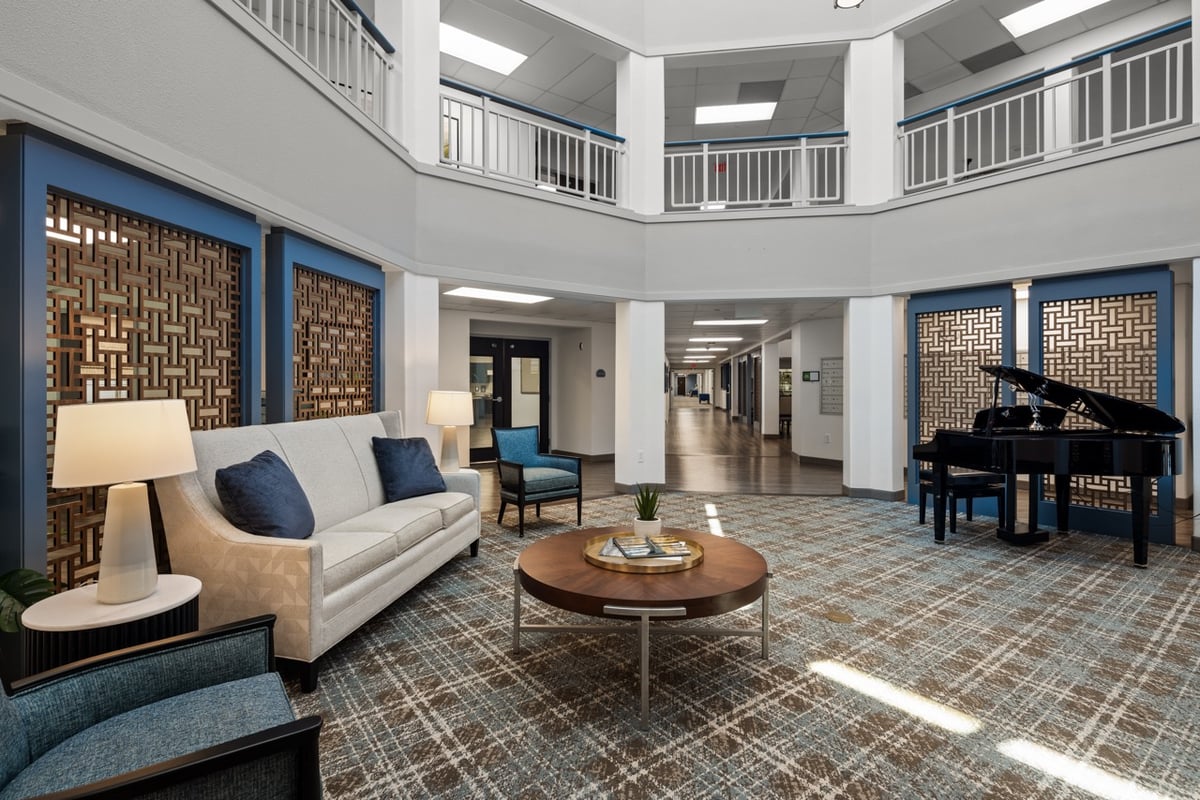
At Pinewood Hills, residents experience transitions in supportive surroundings. The community offers warm meals, engaging activities, and inviting areas to socialize. Change feels easier when comfort and connection surround you.
Learn more about our independent living options and supportive environment.
Finding Purpose After Change
Purpose gives meaning to life events. Seniors who volunteer, mentor, or share stories with younger generations often find deep fulfillment. Meaningful activities foster connection and confidence, which helps maintain resilience through change.
Many residents in communities like Pinewood Hills discover new interests as they engage in creative or social programs. These experiences enhance happiness and give each day a sense of direction.
Frequently Asked Questions
What Is The First Step Toward Building Resilience?
The first step is awareness. Notice how you respond to stress and what helps you recover. Practice small coping strategies like mindful breathing, journaling, or talking with a trusted friend. Over time, your ability to adapt will grow stronger.
Resilience develops with repetition, not perfection. Consistent effort matters more than quick results.
How Does Social Interaction Improve Senior Mental Health?
Socializing helps maintain brain function and emotional balance. It reduces loneliness, which can lead to depression or memory decline. Engaging in group meals, games, or discussions at senior communities boosts happiness and belonging.
Even brief conversations can spark joy and lower stress hormones. Staying connected keeps both mind and heart healthy.
Can Mindfulness For Seniors Really Make A Difference?
Yes, mindfulness can improve focus, calmness, and physical health. It trains the brain to manage emotions with greater control. Over time, it reduces anxiety and improves sleep quality.
Even five minutes of mindful breathing can shift mood and clarity. Many seniors find it helpful during moments of uncertainty.
How Can Seniors Handle Life Transitions Better?
Transitions feel easier when approached with patience and structure. Setting routines, maintaining hobbies, and joining supportive groups make the process smoother. At Pinewood Hills, shared activities and caring neighbors make adjustment less stressful.
Staying engaged with new opportunities builds comfort and optimism. Supportive surroundings turn change into growth.
What Are Simple Ways To Strengthen Memory And Mental Health?
Keep the brain active with learning, reading, or creative expression. Stay physically active and maintain a healthy diet. Both improve circulation and brain function.
Memory improves with practice and mental challenge. Engaging the mind daily supports sharpness and stability.
Living Resiliently At Pinewood Hills
At Pinewood Hills Senior Living, residents enjoy comfort and companionship while learning how to be resilient through everyday experiences. The community's thoughtful design, caring team, and peaceful surroundings create a community where confidence can grow naturally.
Newly renovated apartments, a welcoming bistro, and an enclosed theater make life here both comfortable and engaging. Residents can relax, connect, and rediscover balance in every space.
At Pinewood Hills, change becomes a chance to rediscover joy and strength. If you are ready to explore a peaceful, connected lifestyle in Flower Mound, contact us today to schedule a visit.